
Explore
Colombia
Colombia is a country of colourful cities, dramatic mountain landscapes, Caribbean beaches and deeply rooted traditions. From the energy of Medellín and Cali to Bogotá’s historic streets, Cartagena’s colonial beauty and the relaxed pace of Ibagué, every region offers a completely different experience.
My first visit introduced me to several sides of the country, but it also showed me how much more there is to discover. I will be returning to Colombia to explore new regions, experience more of the local culture and continue searching for places that may suit me for retirement.
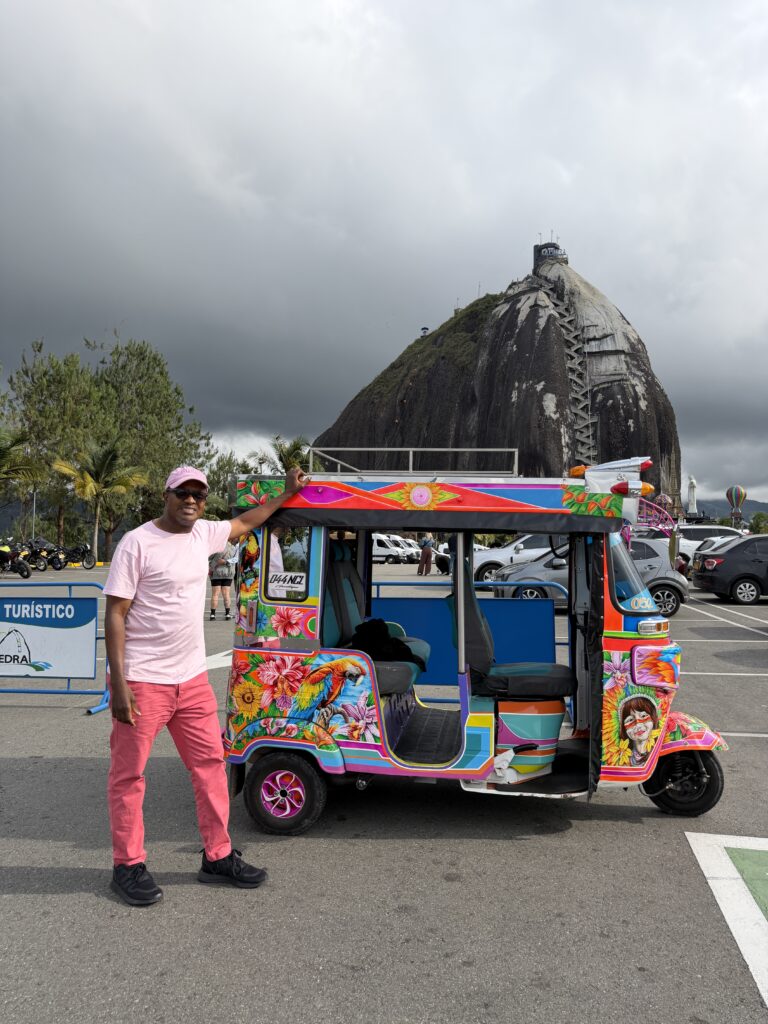
Guatape 2026
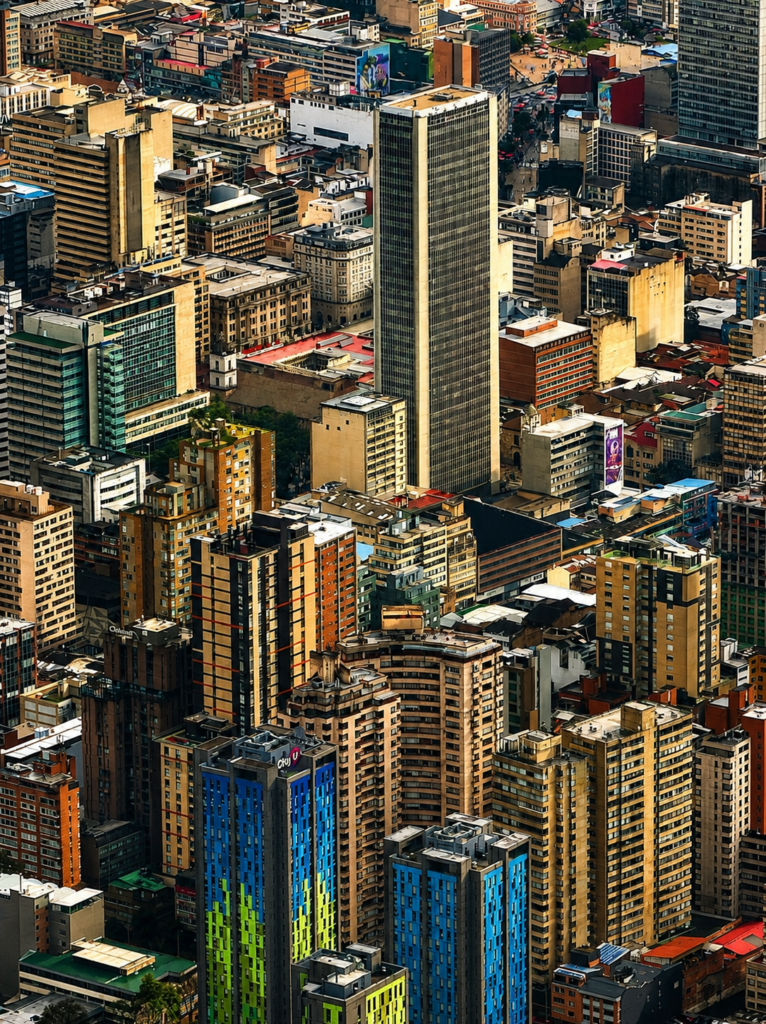
Bogota 2026
Language
Spanish is the official and most widely spoken language in Colombia. English is spoken in some hotels, tourist attractions and larger cities, but knowing a few Spanish phrases will make travelling much easier.
Some common phrases are:
Buenos días — Good morning
¿Cuánto cuesta? — How much does it cost?
¿Dónde está…? — Where is…?
La cuenta, por favor — The bill, please
Muchas gracias — Thank you very much
currency
The official currency of Colombia is the Colombian peso, abbreviated as COP and commonly shown using the $ symbol.
Credit and debit cards are widely accepted in cities, hotels, malls and established restaurants. However, carrying some Colombian pesos is useful for taxis, markets, small shops, street food and businesses in smaller towns.
Weather
Colombia’s weather depends more on altitude than on the traditional four seasons. Coastal cities such as Cartagena are generally hot and humid, while Bogotá can feel cool throughout the year because of its elevation.
Medellín and parts of the Coffee Region usually enjoy milder spring-like temperatures. Rain showers can occur throughout the year, so lightweight clothing, comfortable walking shoes, sun protection and a compact umbrella are all useful.
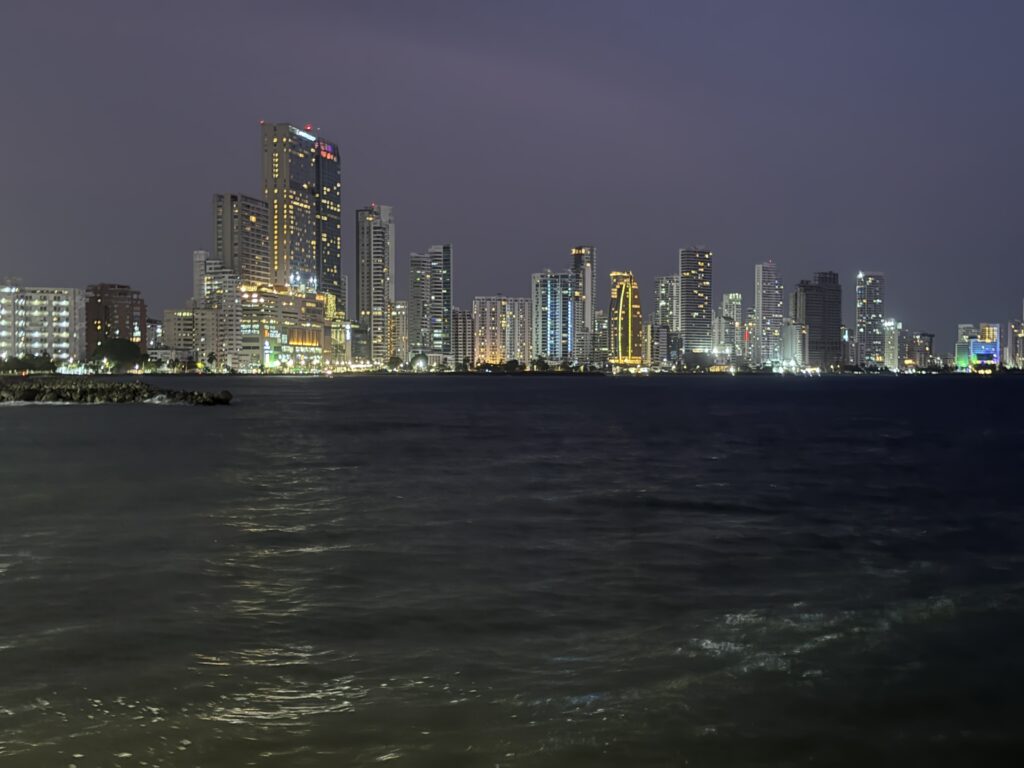
At a glance
My experience in Colombia
My first visit to Colombia took me through Medellín, Cali, Bogotá, Ibagué and Cartagena. Each destination felt completely different. Medellín impressed me with its mountain setting, modern neighbourhoods and attractions such as Comuna 13, Plaza Botero and nearby Guatapé. Cali offered colourful street art, historic churches and a lively atmosphere, while Bogotá introduced me to museums, colonial architecture and the cooler temperatures of the Andes.
One of the most meaningful parts of the journey was spending time with my nephew in Ibagué, where he has lived for the past two years. Staying in a residential neighbourhood and sharing meals with him and his friends gave me a more personal look at everyday life in Colombia. Cartagena provided a completely different ending to the trip, with Caribbean heat, colonial streets and centuries of history.
This first visit was only an introduction. I will be returning to explore Bucaramanga, Pereira and the surrounding regions while also considering whether Colombia could eventually become my retirement home.
Colombia Posts
No posts