Santo Domingo Itinerary: 3 Days In The First New World City
Disclosure: This post contains affiliate links. If you book or buy through them, I may earn a small commission at no extra cost to you. I only recommend places and tours I’d genuinely suggest to a client. See my Privacy Policy for more.
I first saw Santo Domingo in December 2004, on a quick weekend trip with my uncle, his oldest son, and a few work colleagues, right before Christmas. Between the hotel and the casino, we barely left — one club, one hour-long walk around the city, and that was it. I promised myself I’d come back and actually see it properly.
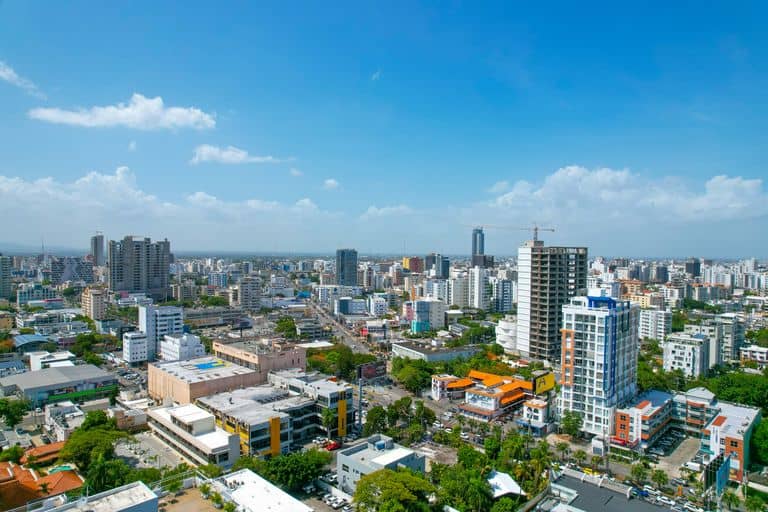
That trip finally happened in November 2022, and I’ve been back several times since — staying at least a month each visit, taking the time to explore different neighborhoods and get a real feel for the city rather than just the tourist strip. People sometimes compare Santo Domingo to Miami because of the skyscrapers and malls, and in places like Piantini or Naco, that comparison holds up. But cross the river and the picture changes fast — a reminder that you’re not quite in the First World yet, even in the capital.
This itinerary is built from that time on the ground: the sites worth your limited three days, and a few honest notes on what to expect that a quick weekend like my first one never would have taught me.
3 Days In Santo Domingo Overview
Three days is enough time to fall in love with the oldest continuously inhabited European city in the Americas — colonial streets, cave lagoons, and a real Caribbean beach, all within about 30 minutes of each other.
- ➡️ Day 1: The Zona Colonial — Parque Colón, the Cathedral, and Calle Las Damas
- ➡️ Day 2: Los Tres Ojos, the Columbus Lighthouse & Boca Chica Beach
- ➡️ Day 3: Plaza España, local markets & sunset on the Malecón
Day One: The Heart of the Zona Colonial
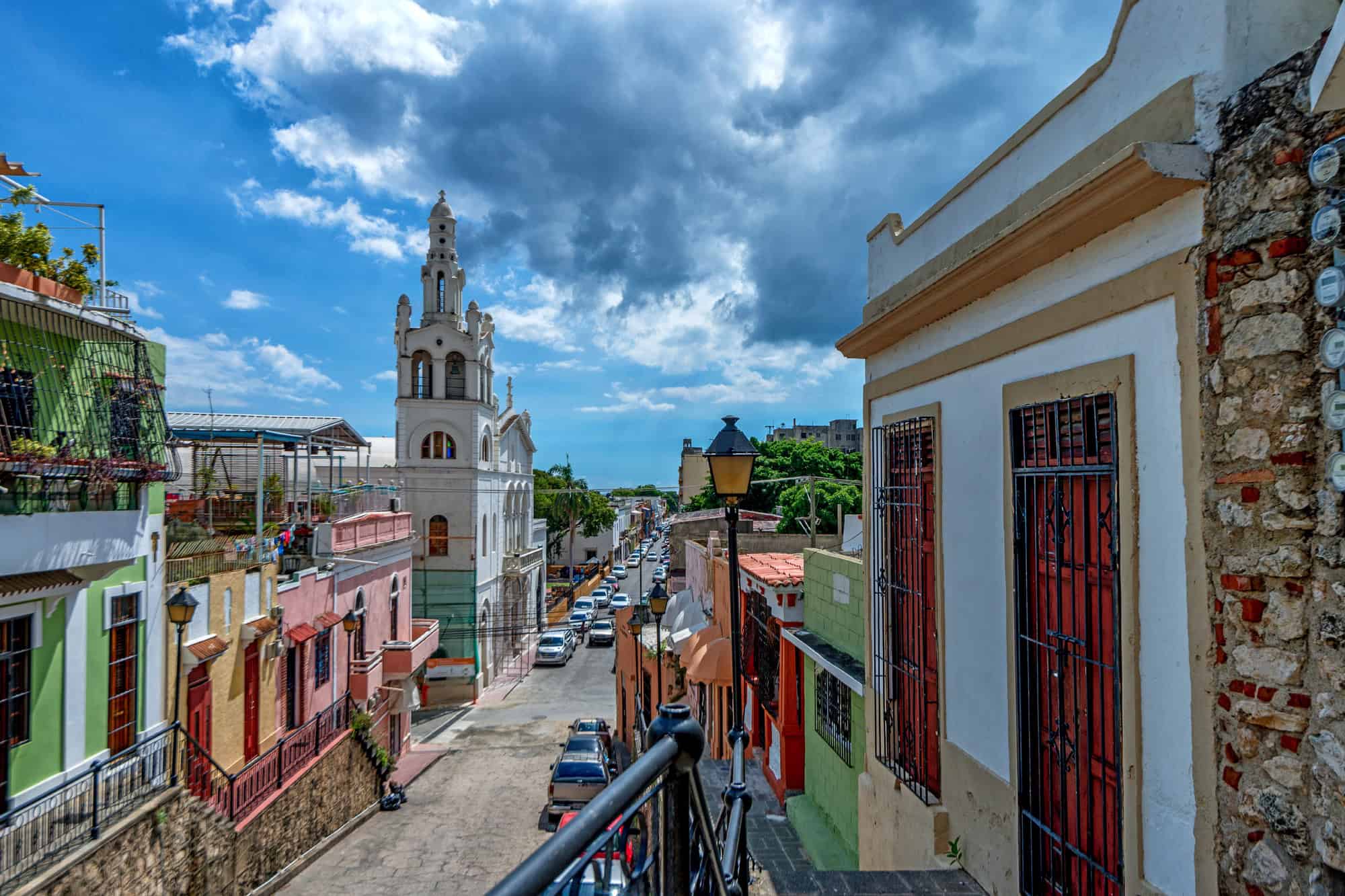
Your first day stays entirely inside the UNESCO World Heritage-listed Zona Colonial, so you can do almost all of it on foot. This is the most historically dense 11 blocks in the Caribbean, and it’s the best introduction to why Santo Domingo calls itself the first city of the New World.
Morning
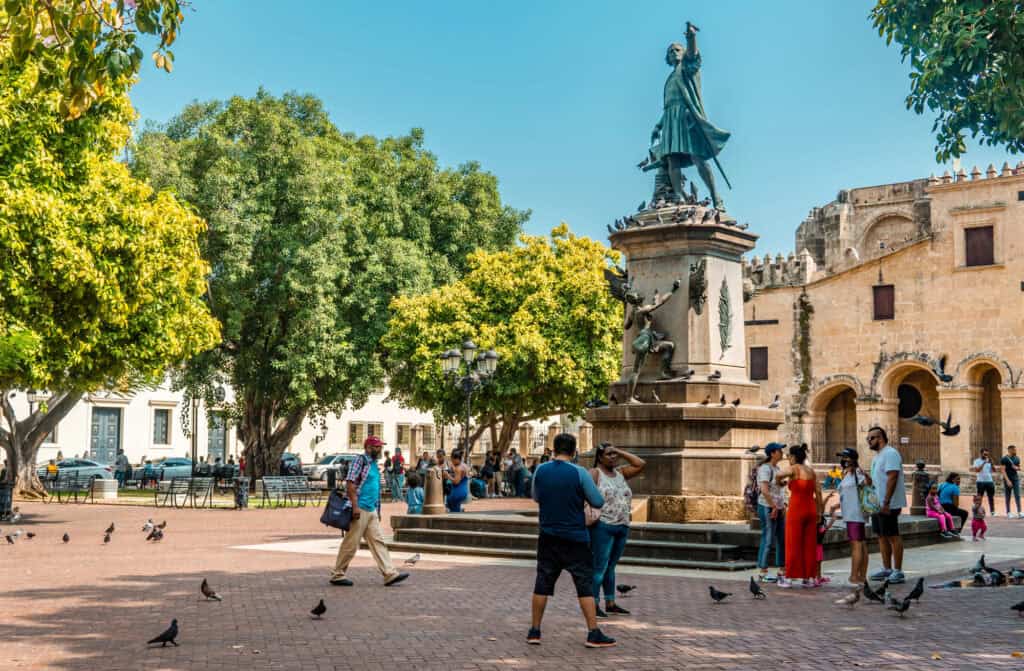
Start at Parque Colón, the main square anchored by a statue of Christopher Columbus, then step into the Catedral Primada de América next door — the oldest cathedral in the Americas. Entry runs about RD$60 (roughly $1). From there, walk a few blocks to Alcázar de Colón, the restored residence of Columbus’s son and one of the most photographed buildings in the zone.
💡 PRO TIP
Weekends bring Parque Colón to life — Saturday and Sunday especially, the square fills with families, kids running around carefree while their parents look on, and live performances that pull people in to sing and dance along. If you can time your visit for a weekend, you’ll see the square the way locals actually use it, not just as a photo stop.
Afternoon
Walk Calle Las Damas, the oldest street in the Americas, down to Fortaleza Ozama, a 16th-century fort overlooking the Ozama River. Grab lunch at one of the small cafés lining Calle Isabel La Católica or Calle Padre Billini — this is where locals eat, not just tourists.
I’ll be honest, I skip the traditional Dominican dishes myself and stick to steak and seafood, and either street has solid options for that. If you want something sweet afterward, Bisi Helados is a perfect midday stop for homemade artisanal ice cream in local tropical flavors like passion fruit and tamarind..
You can walk this route on your own with no trouble — nothing here is hard to find. But a guide adds real value on a first pass: they’ll point out which buildings are original 16th-century construction versus later reconstruction, walk you through the political history behind sites you’d otherwise pass without a second look, and connect the dots between Parque Colón, Calle Las Damas, and Fortaleza Ozama in a way a plaque never will. If you’d rather have a guide connect the dots , a colonial zone walking tour is worth the couple of hours:
Evening
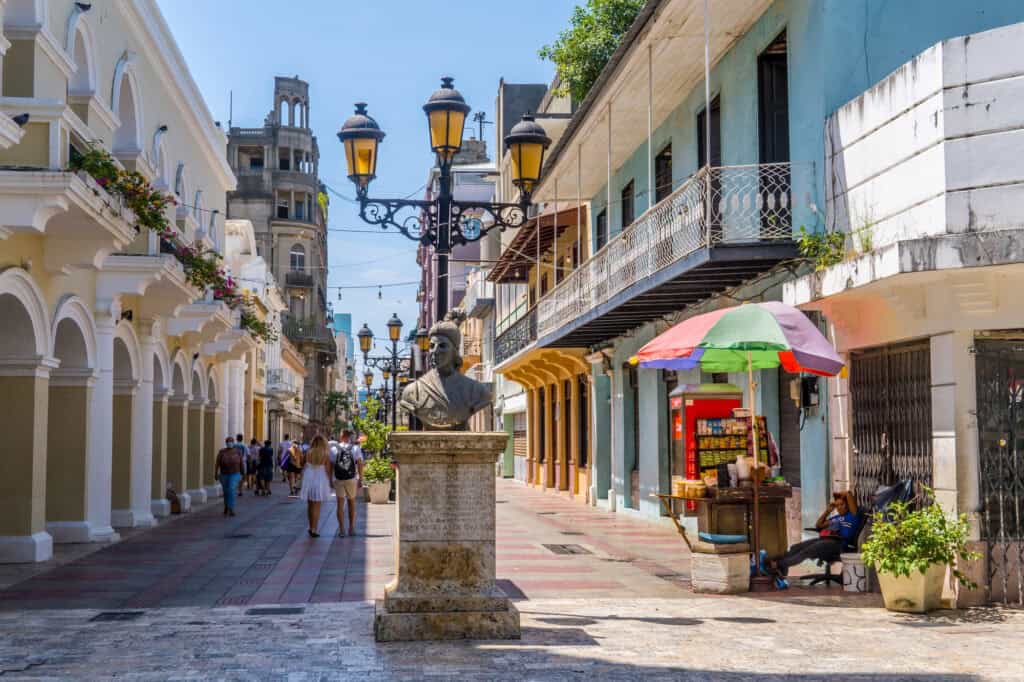
End the day on Calle El Conde, the pedestrian street running from Parque Independencia to Parque Colón, lined with restaurants and street performers. I’ve had ice cream, beers, and steaks along this street — it’s a solid, low-effort spot to just wind down after a day of walking, no reservations or research required.
If you happen to be in the Zona Colonial on a Sunday evening, don’t miss Grupo Bonyé — a free, open-air merengue, son, and bachata concert held right in the ruins of the San Francisco Monastery, a few blocks off Calle El Conde. It runs roughly 6 to 10 p.m., though locals start claiming spots closer to 5, and it’s as local as Santo Domingo nightlife gets — no cover, no tourist markup, just generations of Dominican families out dancing under the stars..
Want a version of this trip built around your dates and travel style?
Work With MeDay Two: Caves, Lighthouses & Boca Chica Beach
Day two takes you out of the colonial core and toward the coast east of the city — this is the day for nature and a real beach afternoon.
Morning
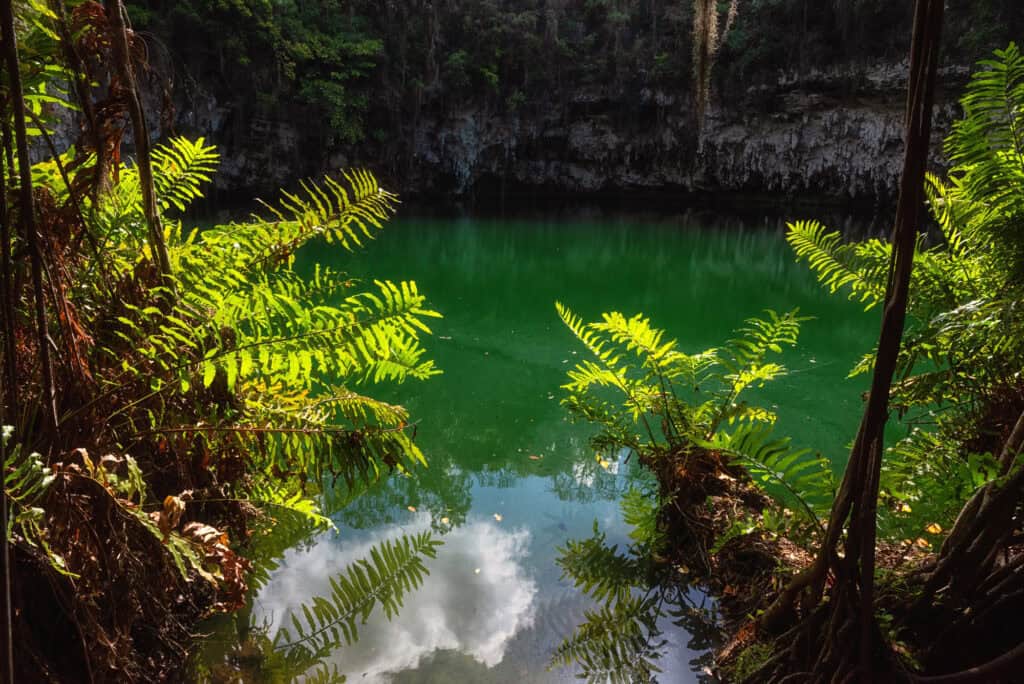
Head to Los Tres Ojos National Park, a system of turquoise limestone caves and underground lagoons. You’ll walk through three open-air lakes and take a small included boat ride to reach the fourth, a hidden cenote. Gate entry alone is about $2.50, though most visitors book it as part of a guided half- or full-day tour that bundles in transport.
On the way, most tours stop briefly at the Faro a Colón (Columbus Lighthouse) for photos — a massive cross-shaped monument that’s worth a quick look even if you skip the museum inside.
💡 PRO TIP
Life jackets are required (and provided) for the cenote swim at Los Tres Ojos, so don’t skip packing a swimsuit and towel even on a “sightseeing” day.
➡️ Click Here To Book Your Los Tres Ojos & Boca Chica Tour!
Afternoon
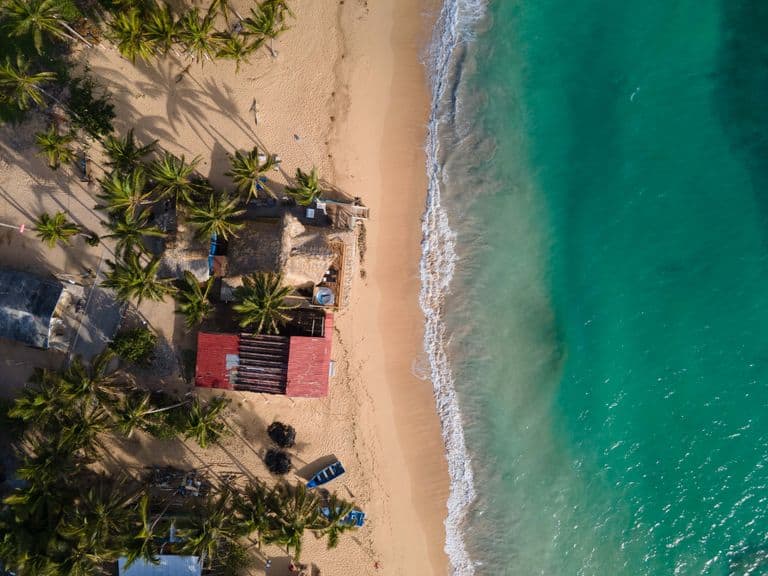
Spend the rest of the day at Boca Chica Beach, about 30 minutes from Santo Domingo — calm, shallow, turquoise water that’s a completely different vibe from the city center. Most day-tour packages include a fried fish lunch right on the sand.
I stayed overnight in Boca Chica myself on a drive toward La Romana — I’d only ever visited the beach before, so I swapped my usual overnight stop for it and got to see the town after the day-trippers cleared out. If your schedule allows it, it’s worth considering as a one-night add-on rather than just a day-trip stop.
Evening
Head back into the city for a low-key dinner near your hotel — after a beach and cave day, most people are ready to slow down. If you’d rather have a plan than just wing it, two easy options: grab a casual dinner back in the Zona Colonial and turn in early, or head to Parque Mirador del Sur for an evening walk and a drink at one of the open-air bars that line it after dark. Either way, keep it light — Day 3 has a full day of its own.
Day Three: Markets, Chocolate & The Malecón
Your last day slows the pace down — local markets, a chocolate stop, and sunset on the water.
Morning
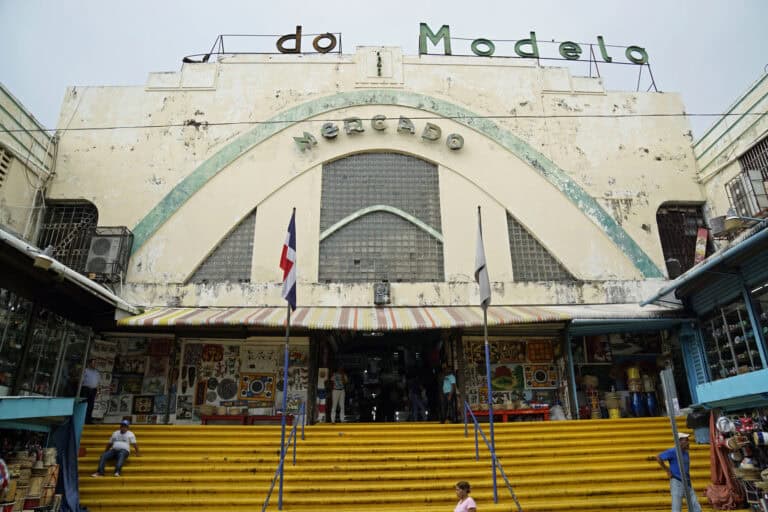
Browse Mercado Modelo, the city’s largest craft and souvenir market, for amber jewelry, larimar, and cigars. Then walk to Plaza España, a monumental square ringed with cafés that makes a good coffee break.
💡 PRO TIP
Vendors at Mercado Modelo can be persistent — I went in once looking for a pair of jeans and the sales pressure was so constant I left empty-handed without even browsing properly. Go in knowing you’ll be approached repeatedly, have a polite “no thank you” ready, and don’t let it rush you out before you’ve actually looked around.
Afternoon
Stop into one of the Zona Colonial’s cacao workshops for a short chocolate-making experience — a fun, air-conditioned break in the middle of the day and a nod to the Dominican Republic’s cacao industry.
Stop into Kahkow Experience on Calle Las Damas for a short chocolate-making workshop
Round it out with a visit to the National Pantheon, the former Jesuit church that now holds the tombs of national heroes.
Evening
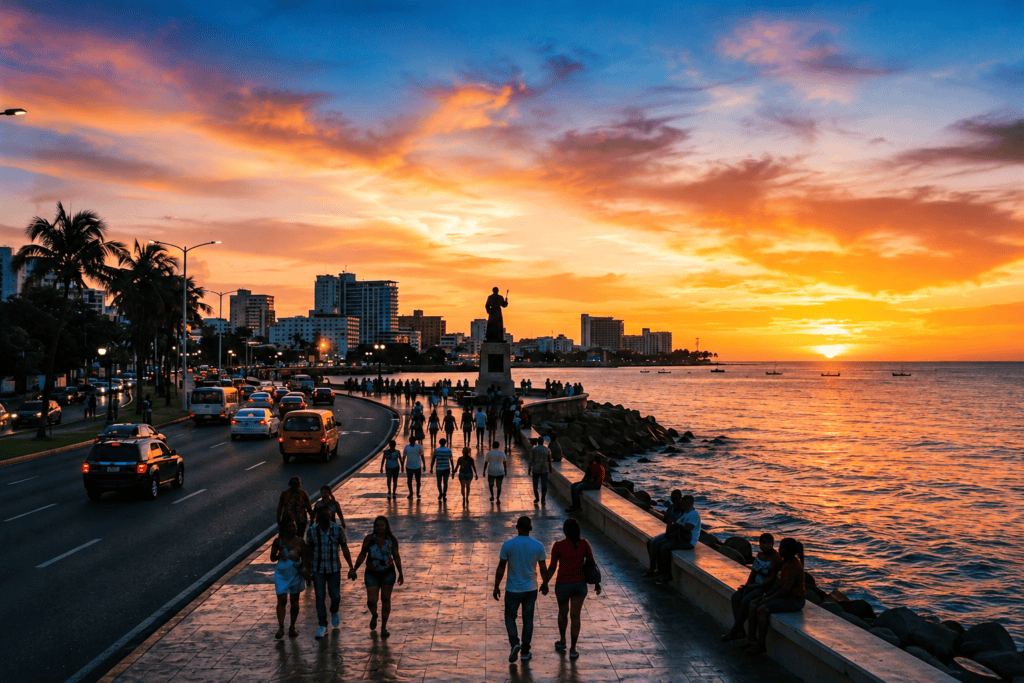
Finish on the Malecón, Santo Domingo’s oceanfront promenade, for sunset. It’s a great photo spot and a nice bookend to the trip, but treat it like a daytime-to-early-evening stop rather than a place to linger after dark — more on that in the FAQs below.
Where To Stay
Basing yourself inside or right on the edge of the Zona Colonial makes this entire itinerary walkable for Day 1 and Day 3, with easy Uber or tour pickup for Day 2. For a broader breakdown of neighborhoods, see my full guide to the best areas to stay in Santo Domingo.
Stay in the budget range. Fixie Lofts – Colonial Villa Suites is a boutique guesthouse-style stay inside the Zona Colonial that keeps you walking distance from everything on Day 1 and Day 3. Check current rates
Stay mid-range. Gran Hotel Europa sits right in the colonial core with a rooftop terrace and free breakfast — a solid balance of comfort and location. Check current rates
Stay in luxury. Hodelpa Nicolas de Ovando occupies the restored 16th-century palace of the island’s first colonial governor, steps from Calle Las Damas, with a full-service spa. Check current rates
FAQs
A few quick answers to the questions I see most often about visiting Santo Domingo.
Is it safe to travel to Santo Domingo now?
Yes, for the vast majority of visitors sticking to well-traveled areas like the Zona Colonial. The main risks are petty theft — pickpocketing and phone snatching — rather than violent crime directed at tourists. Standard city precautions (rideshare over walking after dark, keeping bags zipped, not flashing your phone) cover most of it.
Is Santo Domingo good for tourists?
Very. It’s compact enough to see on foot, has a genuine tourist police presence (Politur/Cestur) in the main historic areas, and offers a mix of history, beach, and food you won’t find bundled together at a Punta Cana resort.
Is it safe to walk around in Santo Domingo?
During the day in the Zona Colonial, yes — it’s active, well-trafficked, and patrolled. After dark, the colonial streets empty out fast and lighting gets inconsistent, so switch to rideshare in the evening rather than walking back to your hotel, especially on Day 1 and Day 3 evenings.
Final Thoughts
Three days won’t give you all of Santo Domingo — no visit really does, even the month-long ones I’ve had. But it’s enough to get past the version I saw on that first weekend back in 2004, when a casino floor and one short walk were all I knew of the place. This itinerary is built to skip that mistake: colonial history on Day 1, nature and beach on Day 2, and the local, lived-in side of the city on Day 3.
What stays with most visitors is that contrast I mentioned earlier — the skyscrapers and malls that feel almost familiar, sitting right across the river from a very different reality. Santo Domingo doesn’t hide that, and I think it’s part of what makes it worth more than a quick stopover before the beach resorts.
If you’re working out flights, hotels, or how to fit this into a longer Dominican Republic trip, that’s exactly what I help travelers with.
Ready to plan your own Santo Domingo trip? Let’s put the pieces together.
Work With Me