

Puerto Plata vs Punta Cana: An Honest Comparison
Disclosure: This post contains affiliate links. If you book or buy through them, I may earn a small commission at no extra cost to you. I only recommend places and tours I’d genuinely suggest to a client. See my Privacy Policy for more.
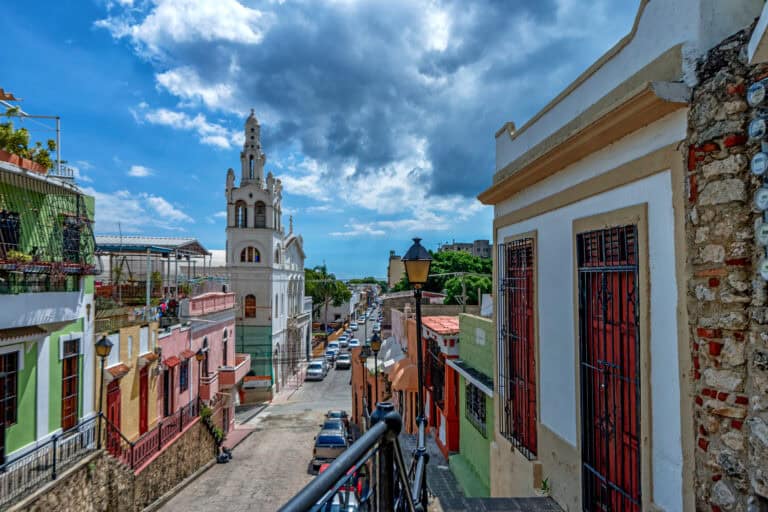
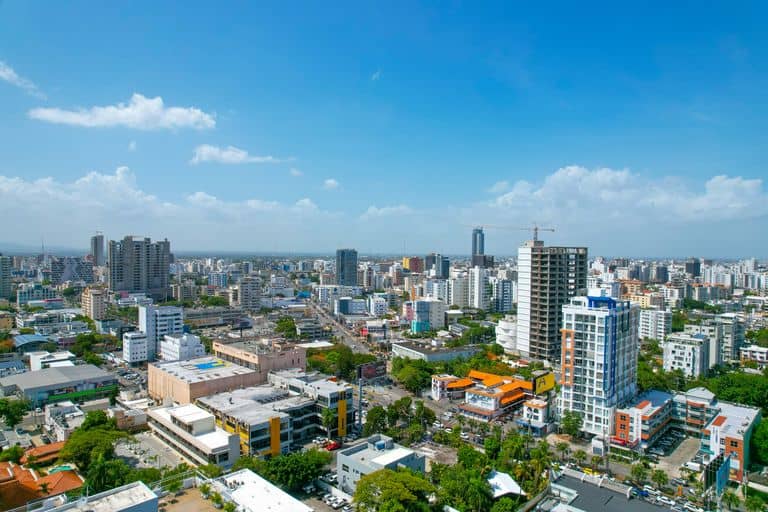
Choosing between Puerto Plata and Punta Cana can make or break your Dominican Republic vacation, and the two regions honestly feel like different countries once you land. I’ve spent time on the ground in the DR — walking the streets of Santo Domingo’s Gazcue, Piantini, and Bella Vista neighborhoods, digging into the culture, and researching these coastal destinations extensively for my own trip planning — so this isn’t a copy-paste listicle. It’s a real comparison built for travelers who want the honest tradeoffs, not just glossy resort photos.
By the end of this post, you’ll know exactly which coast fits your budget, your travel style, and what kind of trip you’re actually looking for — whether that’s a lively all-inclusive resort strip or a quieter, more local slice of the Caribbean.
The short answer: Punta Cana wins if you want all-inclusive ease and the calmest beaches. Puerto Plata wins if you want a more independent trip with better value and more local character. Here’s the decision at a glance, with the full breakdown below.
| If you want… | Choose |
|---|---|
| All-inclusive convenience | Punta Cana |
| A more varied, independent north-coast trip | Puerto Plata |
| The calmest water for swimming | Punta Cana |
| Best value and local character | Puerto Plata |
Puerto Plata vs Punta Cana: Which Destination Is Better?
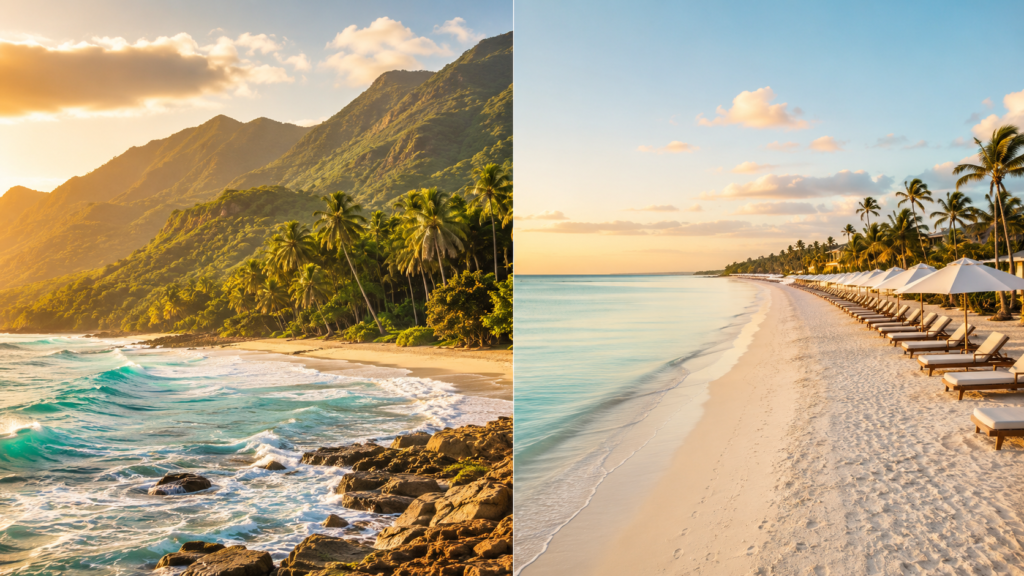
There’s no single “better” here — it depends entirely on what you want out of your trip. Punta Cana is the DR’s most polished, resort-dense region, built almost entirely around the all-inclusive experience, with the widest selection of luxury properties, direct flights, and manicured white-sand beaches. It’s the safer bet for first-time DR visitors who want everything handled for them.
Puerto Plata, on the North Coast, is older, more textured, and less commercialized. You’ll find a real city with real neighborhoods, dramatic mountain scenery butting right up against the ocean, and a slower, more authentic pace. It tends to reward travelers who want some local flavor mixed into their beach time, and it’s often noticeably cheaper.
If you want a no-decisions-required beach vacation, Punta Cana wins. If you want more character, better value, and a taste of the “real” DR alongside your beach days, Puerto Plata deserves serious consideration.
Puerto Plata vs Punta Cana Key Differences
Here’s how the two regions stack up across the factors that actually matter when booking your trip.
Cost & Prices
Puerto Plata is generally the more budget-friendly option across the board. Resorts tend to run cheaper for a comparable star rating, food and excursions off-resort cost less, and because it’s a less saturated tourist market, you won’t pay the same premium for taxis, tours, or souvenirs that you will in Punta Cana.
Punta Cana commands higher prices almost everywhere, largely because it’s the DR’s flagship tourism zone. Luxury resorts, five-star all-inclusives, and adults-only properties are abundant, but so are the price tags attached to them. Flights into Punta Cana International Airport (PUJ) are often more plentiful and competitively priced than flights into Puerto Plata’s Gregorio Luperón Airport (POP) simply because of route volume, which can offset some of the on-the-ground savings.
If your budget is the deciding factor, Puerto Plata will stretch your dollars further for lodging, dining, and activities, even if flight costs land in a similar range.
💡 Pro Tip: If you’re flexible on airport, compare total trip cost (flight + resort) rather than just resort price — sometimes a slightly pricier flight into POP pays for itself with cheaper lodging and dining in Puerto Plata.
Activities & Excursions

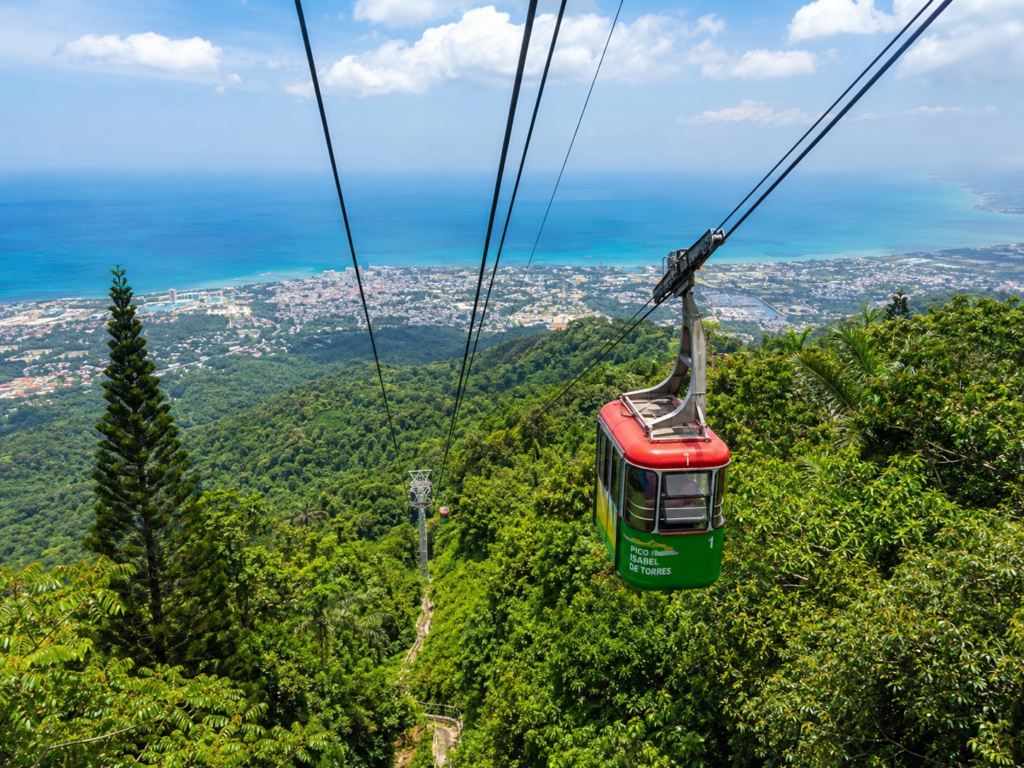
Puerto Plata has a distinct edge for travelers who want variety beyond the beach. The Pico Isabel de Torres cable car and its mountaintop Christ statue, the 27 Waterfalls of Damajagua, historic Fort San Felipe, and the colonial-era streets of the city itself all give you a mix of adventure and culture that Punta Cana simply doesn’t offer in the same concentration.
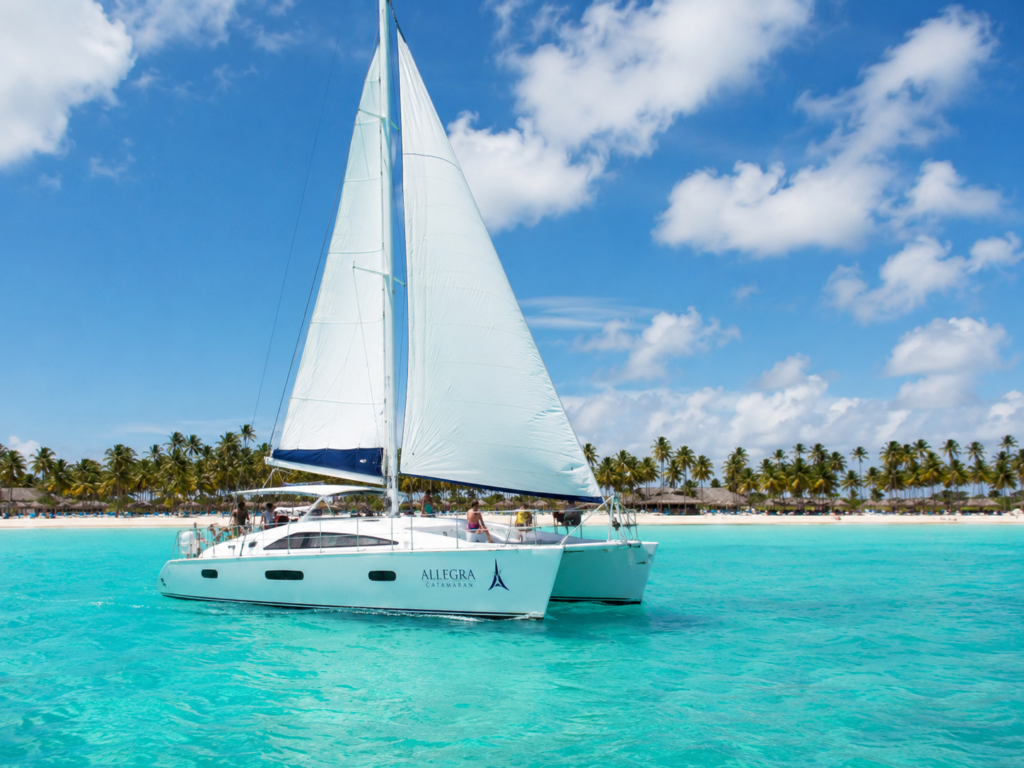
Punta Cana’s excursions lean more toward polished, tourist-ready experiences: catamaran and snorkeling trips, zip-lining parks like Scape Park at Cap Cana, ATV tours, and day trips to Saona Island. These are well-organized and easy to book through your resort, but they can feel more assembly-line and less locally rooted than what you’ll find up north.
The east coast does have one genuinely unusual cultural draw, though: a hand-built Mediterranean village sits on a cliff above a river gorge about an hour from Punta Cana, and most combination tours pair it with Saona.
Both regions offer plenty to fill a week, but Puerto Plata rewards travelers who want to leave the resort more often, while Punta Cana is built for those happy to stay closer to home base.
Weather
Both regions share the DR’s tropical climate, but there are meaningful differences. Puerto Plata, on the Atlantic-facing North Coast, tends to see more rainfall and slightly rougher surf conditions, especially November through January, and it’s more exposed to the Atlantic swells that can churn up the water.
Punta Cana, on the southeastern tip, generally enjoys calmer, clearer water and a bit less rain overall, making it more consistently beach-friendly year-round. Hurricane season (June through November) affects both regions similarly, since the entire island sits in the Atlantic hurricane belt, so neither destination is meaningfully “safer” from storms during peak season.
If calm, glassy water for swimming is a top priority, Punta Cana has a slight advantage. If you don’t mind a bit more weather variability in exchange for cooler mountain air nearby, Puerto Plata won’t disappoint.
💡 Pro Tip: Planning a trip November through January? Puerto Plata’s rainier season can mean overcast beach days — pack a light rain jacket and build in a mountain excursion (Pico Isabel de Torres or the waterfalls) as a backup plan.
Landscape & Geography

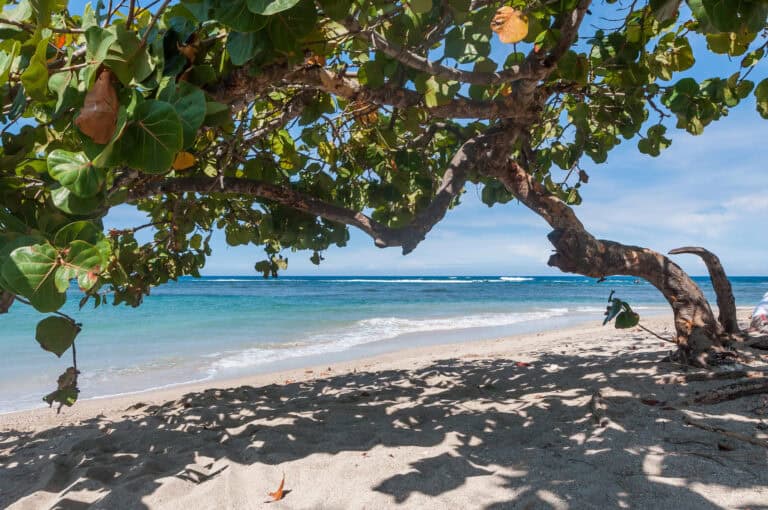
This is where the two destinations diverge the most. Puerto Plata’s coastline backs directly into the Cordillera Septentrional mountain range, giving it a dramatic, layered landscape where you can be swimming one hour and hiking through rainforest the next. The beaches here (Playa Dorada, Sosúa, Cabarete) are beautiful but more varied in sand quality and swimmability, with some rockier or currents-prone stretches.
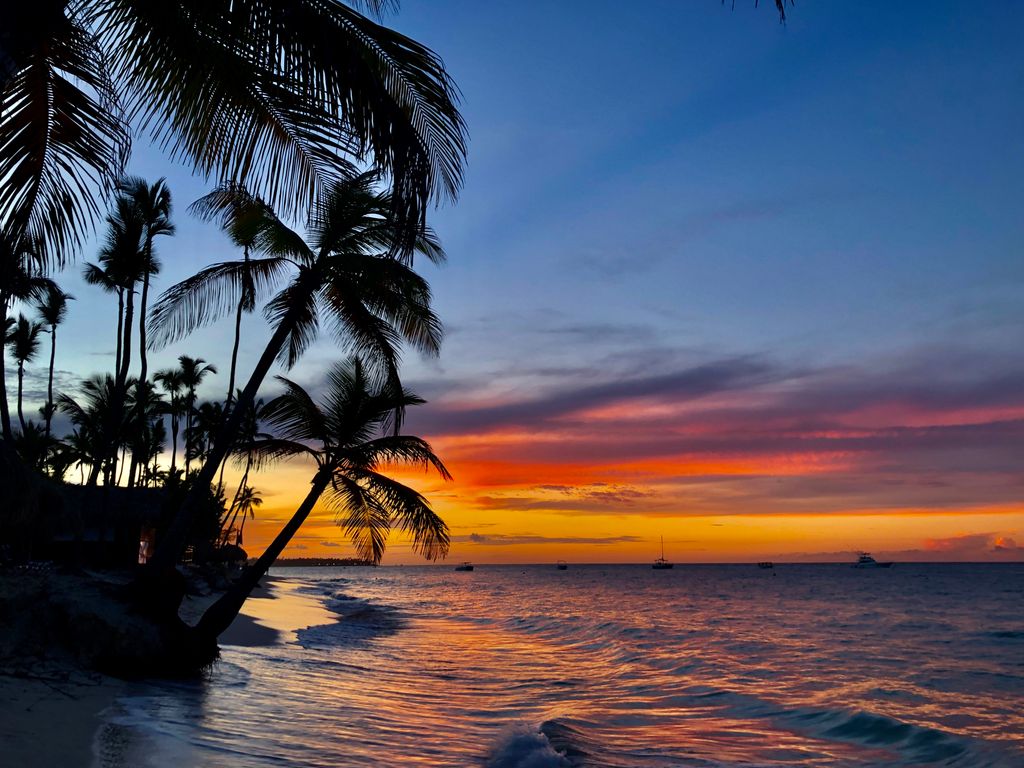
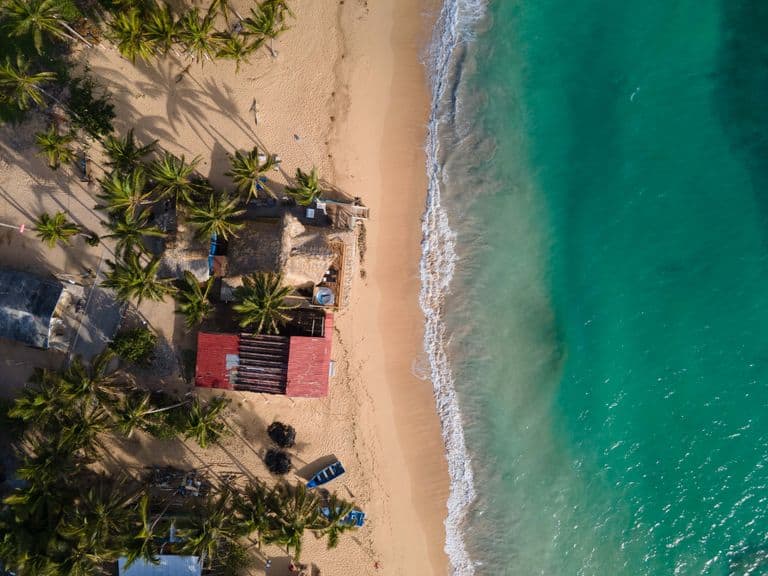
Punta Cana’s geography is flatter and more uniform, which is exactly why it became the DR’s premier beach destination. Bavaro Beach and the surrounding coastline offer long, wide stretches of soft white sand and calm, swimmable turquoise water with fewer of the rocky interruptions you’ll find up north.
Punta Cana is also closer to other tourist draws in the eastern DR, like Saona Island, while Puerto Plata’s proximity to Santiago and the interior gives it easier access to non-beach cultural sites.
Food

Puerto Plata offers more accessible off-resort dining, since it’s a functioning city rather than a purpose-built resort zone. You’ll find local comedores, fresh seafood shacks in Sosúa and Cabarete, and street food that gives a genuine taste of Dominican cuisine at a fraction of resort prices.
Punta Cana’s dining scene is dominated by resort restaurants, and while the all-inclusive food quality has improved dramatically over the past decade, with many properties now offering specialty restaurants (Japanese, Italian, steakhouse concepts), it’s a curated, international experience rather than a local one. Off-resort dining does exist in areas like Bavaro’s downtown strip, but it’s less integrated into daily life than in Puerto Plata.
If eating like a local matters to you, Puerto Plata has the edge. If you want variety and consistency without leaving your resort, Punta Cana delivers.
Safety
Both regions are considered safe for tourists, and the areas around resorts in either destination see heavy security presence. Punta Cana as the country’s top tourism generator, has invested heavily in tourist-zone security infrastructure and violent crime against visitors is rare within the resort corridors.
Puerto Plata’s tourist areas — Playa Dorada, Sosúa, Cabarete — are well-patrolled and generally safe with normal precautions. As with anywhere, petty theft and scams (overcharging on taxis, inflated souvenir prices, persistent street vendors) are the more realistic risks in both destinations rather than violent crime. Puerto Plata in particular gets more safety questions than it deserves, and the honest answer is more reassuring than most people expect.
Standard travel safety practices apply everywhere in the DR: stick to well-reviewed transportation, avoid flashing valuables, and use your resort or a vetted travel advisor for excursion bookings.
💡 Pro Tip: Use your resort’s front desk or a vetted travel advisor to book excursions rather than street vendors — it’s the easiest way to avoid the petty scams that pop up in tourist-heavy areas.
Puerto Plata: Best Places To Stay
Puerto Plata has options across every budget, from beachfront boutique stays to sprawling all-inclusive resorts.
✔️ Lifestyle Tropical Beach Resort & Spa
This all-inclusive sits right on Costa Dorada beach and is a strong mid-range pick for travelers who want resort amenities without the Punta Cana price tag. Multiple pools, swim-up bars, and a manageable resort size make it feel less overwhelming than the mega-resorts further east.
✔️ Casa Colonial Beach & Spa
For a more upscale, adults-only experience, Casa Colonial is one of the North Coast’s standout luxury boutique properties. It’s smaller and quieter than the big all-inclusives, with a spa-forward focus that appeals to couples looking for a romantic, low-key stay.
✔️ Sosúa By The Sea
A more budget-conscious option in the beach town of Sosúa, this property is close to some of the region’s best snorkeling and a livelier expat/local dining scene, making it a great fit for travelers who want to explore beyond the resort gates.
Punta Cana: Best Places To Stay
Punta Cana’s resort corridor covers everything from family-friendly all-inclusives to five-star adults-only escapes.
✔️ Dreams Onyx Resort & Spa
A reliable, family-friendly all-inclusive with a broad mix of activities, kids’ clubs, and multiple dining options. It’s a dependable mid-range choice for travelers who want the classic Punta Cana experience without the top-tier luxury price point.
✔️ Zoetry Agua Punta Cana
An adults-only, all-inclusive luxury property with a smaller footprint and a more intimate, personalized service style — a strong pick for couples or a honeymoon.
✔️ Live Aqua Beach Resort Punta Cana
Sitting right on Bavaro Beach, this resort blends contemporary design with a lively but not overwhelming atmosphere, making it a solid choice for travelers who want beachfront access with a slightly more modern aesthetic than some of the older mega-resorts.
FAQs
A few quick answers to the questions travelers ask most when deciding between these two destinations.
Which is cheaper, Puerto Plata or Punta Cana?
Puerto Plata is generally cheaper across resorts, food, and activities, though flight costs to Punta Cana can sometimes be lower due to higher flight volume.
What is the safest vacation spot in the Dominican Republic?
Punta Cana is often considered the safest overall due to its heavy tourism infrastructure and security presence, though both regions are safe for tourists who stick to well-traveled areas and take normal precautions.
What side of the Dominican Republic is best to stay on?
The east coast (Punta Cana) is best for calm swimmable beaches and hassle-free all-inclusive resorts, while the north coast (Puerto Plata) is best for travelers who want more variety, local culture, and lower prices.
The Wrap-Up
At the end of the day, Puerto Plata and Punta Cana serve two genuinely different kinds of travelers. Punta Cana is the DR’s polished, tourist-ready flagship — ideal if you want calm water, a huge selection of luxury resorts, and a completely worry-free trip where everything is handled the moment you land. Puerto Plata is the more textured, budget-friendly alternative, rewarding travelers who want mountains alongside their beaches, more local culture, and a lower price tag for a comparable experience.
Neither destination is objectively “better” — it comes down to what kind of Dominican Republic trip you’re after. If you want zero decisions and a beach that looks exactly like the postcard, book Punta Cana. If you want a bit more adventure, authenticity, and value for your money, give Puerto Plata a serious look.
Whichever coast you choose, the Dominican Republic delivers an incredible mix of Caribbean beaches, rich history, and warm hospitality — you really can’t go wrong either way.
Still deciding between the two coasts? Let’s find the right fit for your trip.
Work With Me
One Comment
Comments are closed.