Is Puerto Plata Safe For Tourists? What You Need To Know
Disclosure: This post contains affiliate links. If you book or buy through them, I may earn a small commission at no extra cost to you. I only recommend places and tours I’d genuinely suggest to a client. See my Privacy Policy for more.
I’ve spent time exploring the Dominican Republic firsthand — from the colonial streets of Santo Domingo to the north coast — and safety is one of the first questions that comes up whenever I talk to someone considering a trip here.
It’s a fair question, and it deserves a real answer, not just a blanket “yes” or “no.” In this post, I’ll walk you through what the data and on-the-ground experience actually say about Puerto Plata, plus the specific precautions that matter most so you can plan your trip with confidence instead of anxiety.
Is Puerto Plata Safe For Tourists?
Short answer: yes, with the same common sense you’d use in any unfamiliar city.
Puerto Plata is regularly recognized as one of the safer provinces in the Dominican Republic, and local tourism authorities have worked closely with the national tourist police (Politur) to keep the beaches, historic sites, and main avenues patrolled.
Violent crime against visitors is rare. What you’re far more likely to run into is petty theft — pickpocketing, bag snatching, the occasional overpriced “friendly local guide” — especially in crowded areas or busy plazas.
Weather is a bigger practical concern than crime for most visitors. Hurricane season runs June through November, with peak risk in August and September, so if you’re traveling during those months, keep an eye on the National Hurricane Center’s forecast tracker and buy travel insurance. Wildlife isn’t something you need to worry about beyond standard beach precautions (more on ocean safety below).
Is It Safe to Leave the Resort in Puerto Plata?
Yes, and honestly, staying inside the resort the whole trip means missing most of what makes Puerto Plata special.
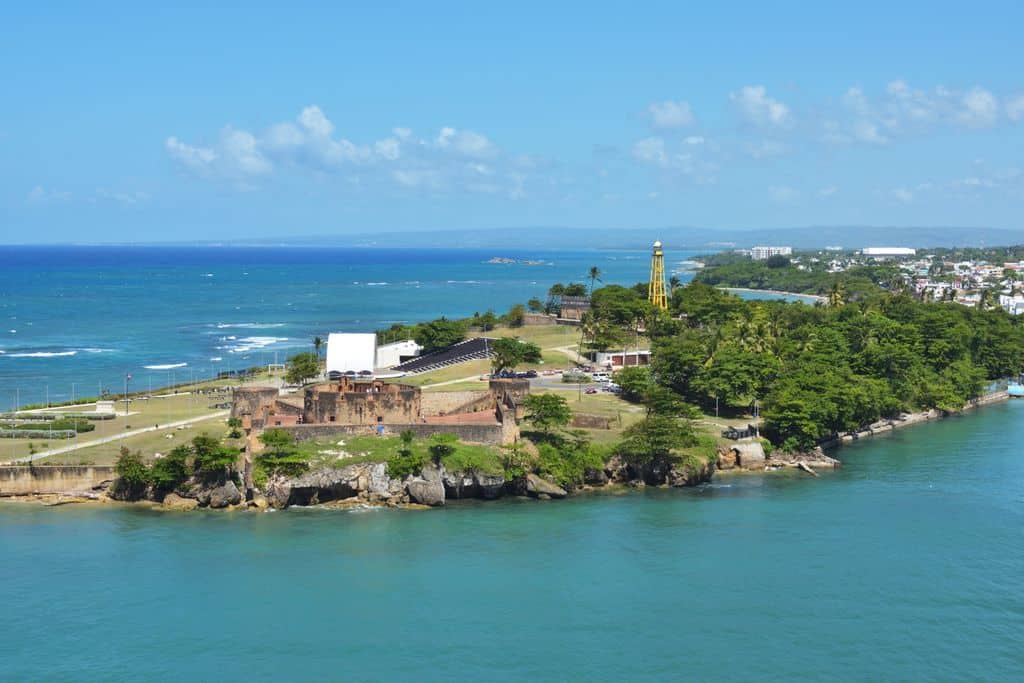
That said, how you leave matters. Daytime excursions to places like the Malecón, Fort San Felipe, or the cable car up Pico Isabel de Torres are well-trafficked and generally very safe.
At night, stick to areas that are lit and populated — the same rule you’d follow in Miami or Cancún.
Solo female travelers do visit Puerto Plata regularly and safely, but the standard advice applies: avoid walking alone late at night, keep your phone and cash out of sight, and let someone know your plans if you’re heading out on your own. Nightlife in the hotel zones and Cofresí tends to be lower-risk than venturing into less touristy neighborhoods after dark.
Is Puerto Plata Safe to Walk Around? Day vs. Night
Yes — walking around is generally safe for tourists, but the honest answer depends on when and where.
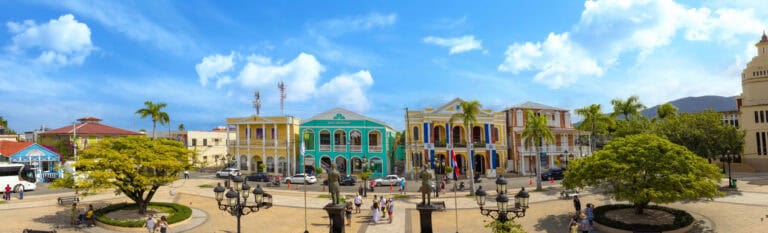
During the day: walking is safe in the main tourist areas and hotel zones — the Malecón, the historic center around Fort San Felipe, and the beachfront strips. These streets are busy, well-trafficked, and low-risk.
At night: stick to streets that are lit and populated, and avoid wandering into unfamiliar residential neighborhoods alone — the same rule you’d apply in Miami or Cancún. Nightlife in the hotel zones and Cofresí tends to be lower-risk than venturing further out after dark.
Is It Safe to Take an Uber in Puerto Plata?
Uber operates in Puerto Plata and is one of the safer transportation options available, since it gives you a licensed driver, a tracked route, and a paper trail — all things an unmarked street taxi won’t. It’s a solid choice if you don’t speak Spanish, since there’s no need to negotiate a fare or explain your destination out loud.
Motoconchos (motorcycle taxis) are cheap and everywhere, but they carry more risk: no meters, no consistent licensing, and drivers who don’t always provide a helmet. I’d skip these for families or if you’re carrying valuables, and stick to registered taxis, your resort’s transportation desk, or Uber instead.
Can you swim in the ocean in Puerto Plata?
Generally, yes. The beaches around Puerto Plata — Playa Dorada, Cofresí, Long Beach — have calmer, more swimmer-friendly water than the wilder Atlantic-facing beaches further along the north coast near Cabarete, which are popular with kitesurfers for a reason.
Pay attention to flag systems where posted, and always check conditions with your resort before swimming, especially after storms when currents can be stronger.
Marine life like jellyfish and sea urchins are occasionally present but not a major concern with basic caution (water shoes help).
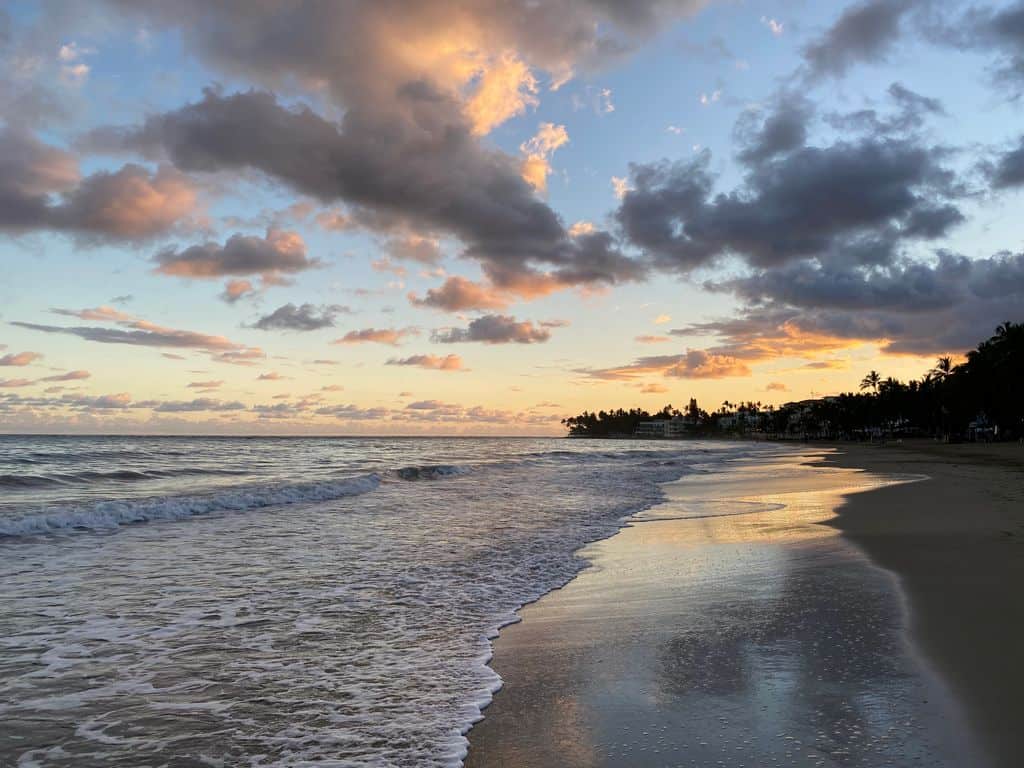
Tips To Stay Safe On Your Trip
A few habits will cover you for the vast majority of situations you’ll encounter, and they’re what really answer the question “is Puerto Plata safe for tourists?” on any given day:
Whether it’s Uber, a resort-arranged transfer, or a taxi from an official stand, avoid flagging down unmarked cars — especially arriving at the airport, where unlicensed drivers sometimes approach tourists directly outside the terminal. Pre-booking your airport transfer is the safest move.
Use your hotel safe for passports and extra cash, and when you’re out, carry only what you need for the day. A crossbody bag with a zipper you can keep in front of you is far better than an open tote or back pocket — pickpocketing, not violent crime, is the realistic risk here.
You don’t need fluency, but knowing hola, gracias, and ¿cuánto cuesta? (how much does it cost?) goes a long way both for building goodwill with locals and for avoiding the inflated “tourist price” on informal purchases and rides.
For minibuses, motoconchos, or informal tours, agree on the price before you get in or start the activity — not after. This single habit prevents most of the scam complaints you’ll read about online.
Book tours and activities through your resort, a licensed operator, or a trusted advisor rather than the first person who approaches you on the beach. It’s a small extra step that filters out most of the risk.
Safe Places To Stay In Puerto Plata
Where you stay does a lot of the safety work for you, and it’s one of the biggest factors in whether Puerto Plata feels safe for tourists once you land. Puerto Plata’s hotel zones — Playa Dorada, Costa Dorada, and Cofresí — are well-patrolled, walkable, and set up for tourists, so these areas are generally the better call over standalone downtown stays.
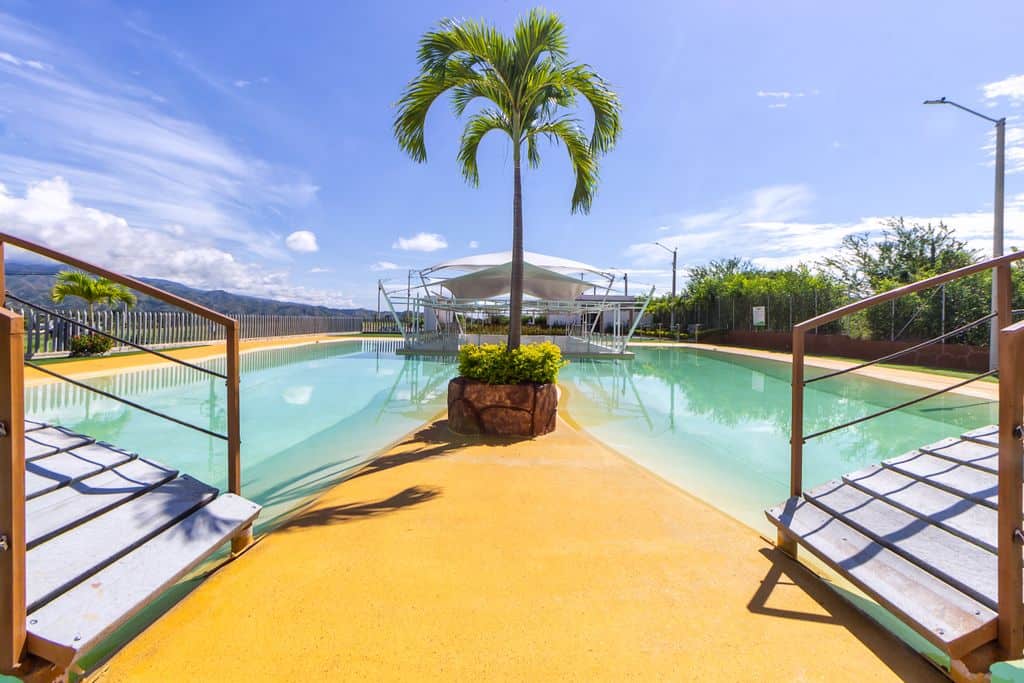
📍 Budget Option: VH Gran Ventana Beach Resort — an all-inclusive right on Playa Dorada with a gated, resort-style layout, ideal if you want a secure home base without a luxury price tag.
📍 Mid-Range Option: Millennium Resort & Spa — a beachfront all-inclusive in a well-maintained, guarded complex, a good balance of comfort and value for couples or families.
📍 Luxury Option: Casa Colonial Beach & Spa — a boutique property set in botanical gardens on the beach in Cofresí, consistently praised for attentive staff and a quieter, more upscale setting.
Want help comparing these resorts and finding the right fit for your trip?
Work With MeGetting Around Safely
Getting around is a big part of whether Puerto Plata is safe for tourists day-to-day, and the good news is you have solid options. For short hops within the resort zones — Playa Dorada, Costa Dorada, Cofresí — walking during the day is fine and often the easiest option. For anything further, like a trip into downtown Puerto Plata or out to Cabarete, Uber is the most consistently safe and affordable choice, especially if you don’t speak Spanish.
Guided excursions are worth the extra cost for anything off the beaten path — waterfalls, the cable car, day trips to Sosúa or Cabarete — since a licensed operator handles transportation, timing, and local knowledge you won’t have on your own. If you want to be more independent, renting a car is possible, but Dominican driving norms (lane discipline, signaling, road conditions) can be a real adjustment, so I’d only recommend this if you’re comfortable driving abroad.
FAQs
A few quick answers to the questions I hear most often about Puerto Plata safety:
Is Puerto Plata as safe as Punta Cana?
Both are considered among the safer tourist areas in the Dominican Republic, with strong tourist police presence. Puerto Plata is smaller and less built-up than Punta Cana, which some travelers find makes it feel more low-key, though the core safety precautions are the same in both. The north coast and the east coast offer two very different versions of the DR, so if you’re still choosing between them, the differences go well beyond safety.
Is it safe to walk around Puerto Plata?
Yes — walking around is generally safe for tourists during the day in the main tourist areas and hotel zones. At night, stick to lit, populated streets and avoid wandering into unfamiliar residential neighborhoods alone.
Is Puerto Plata worth visiting?
Absolutely — it offers a more authentic, less resort-bubble feel than some other Dominican destinations, with mountains, waterfalls, and a real town center to explore alongside the beaches.
Final Thoughts
Puerto Plata is safe for tourists who take the same common-sense precautions they’d use in any unfamiliar city, and its reputation as one of the safer corners of the Dominican Republic is well-earned. But “safe” doesn’t mean “risk-free” — it means the risks are manageable with the same street smarts you’d use anywhere unfamiliar. Petty theft, not violent crime, is the realistic concern, and it’s easily minimized with licensed transportation, secured valuables, and a little situational awareness after dark.
If you’re still weighing where to base yourself or how to structure your trip, that’s exactly the kind of planning I help with — feel free to reach out and I’ll help you put together an itinerary that keeps safety in mind from the airport transfer to the last night out. And if Santo Domingo is also on your radar, take a look at my guide to the best areas to stay in Santo Domingo for another safe, well-located home base option.